-
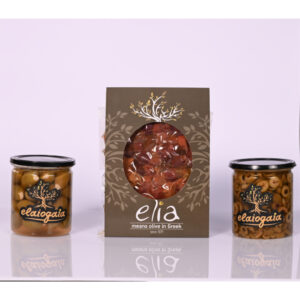
Gift Pack Ελιών
-

Mix Πράσινων Ελιών σε Άλμη 250g
-
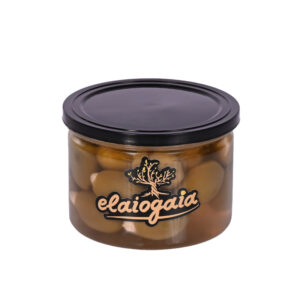

Πράσινες Ελιές με Αμύγδαλο 300ml
-


Πράσινες Ελιές με Αμύγδαλο 450ml
-
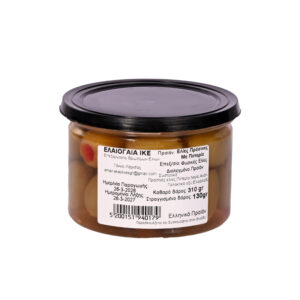

Πράσινες Ελιές με Πιπεριά 300ml
-
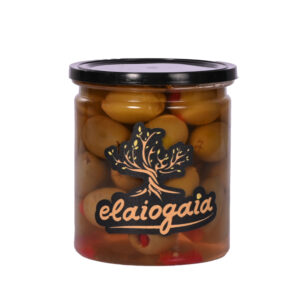
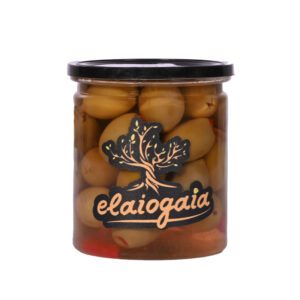
Πράσινες Ελιές με Πιπεριά 450ml
-
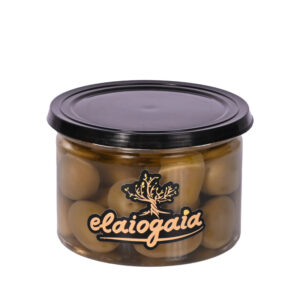
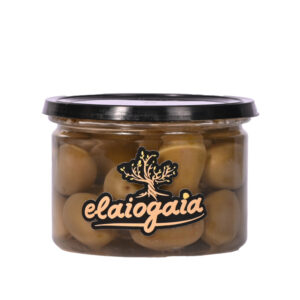
Πράσινες Ελιές Χαλκιδικής 300ml
-
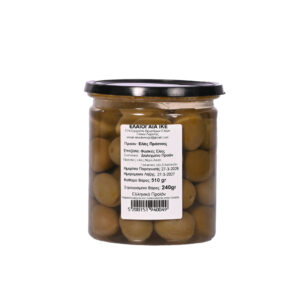
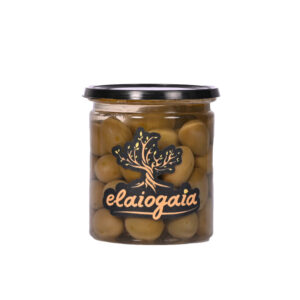
Πράσινες Ελιές Χαλκιδικής 450ml
-
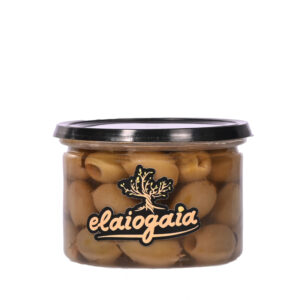
Πράσινες Ελιές Χωρίς Κουκούτσι 300ml
-
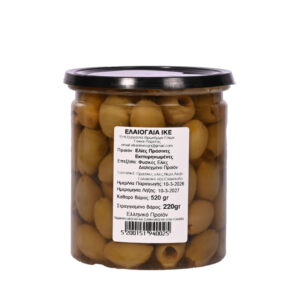
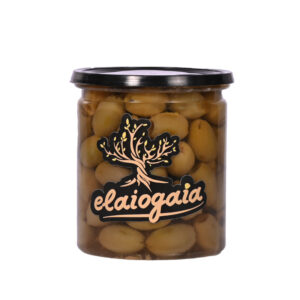
Πράσινες Ελιές Χωρίς Κουκούτσι 450ml
Green Halkidiki Olives Wholesale Exporter: How To Source Premium Greek Table Olives
If we’re sourcing Greek table olives, Green Halkidiki olives deserve serious attention. They’re not just another Mediterranean staple on a spec sheet. These large, vivid green olives from northern Greece have become a benchmark for buyers who want consistent size, a firm bite, and that clean, mild flavor that works everywhere from deli counters to upscale restaurant menus.
For importers, distributors, private label brands, and even ingredient-focused food lovers, the challenge usually isn’t whether Halkidiki olives are good. It’s how to identify a producer, supplier, or wholesale exporter that can actually deliver the right grade, packaging, food safety standards, and export reliability. That matters more than ever in a market where quality claims are easy to make and much harder to verify.
In this guide, we’ll break down what makes Green Halkidiki olives distinctive, how they’re processed, what bulk formats to expect, and how to evaluate suppliers, including quality-focused Greek exporters such as Elaio Gaia Olives.
What Makes Green Halkidiki Olives Distinctive In The Global Market
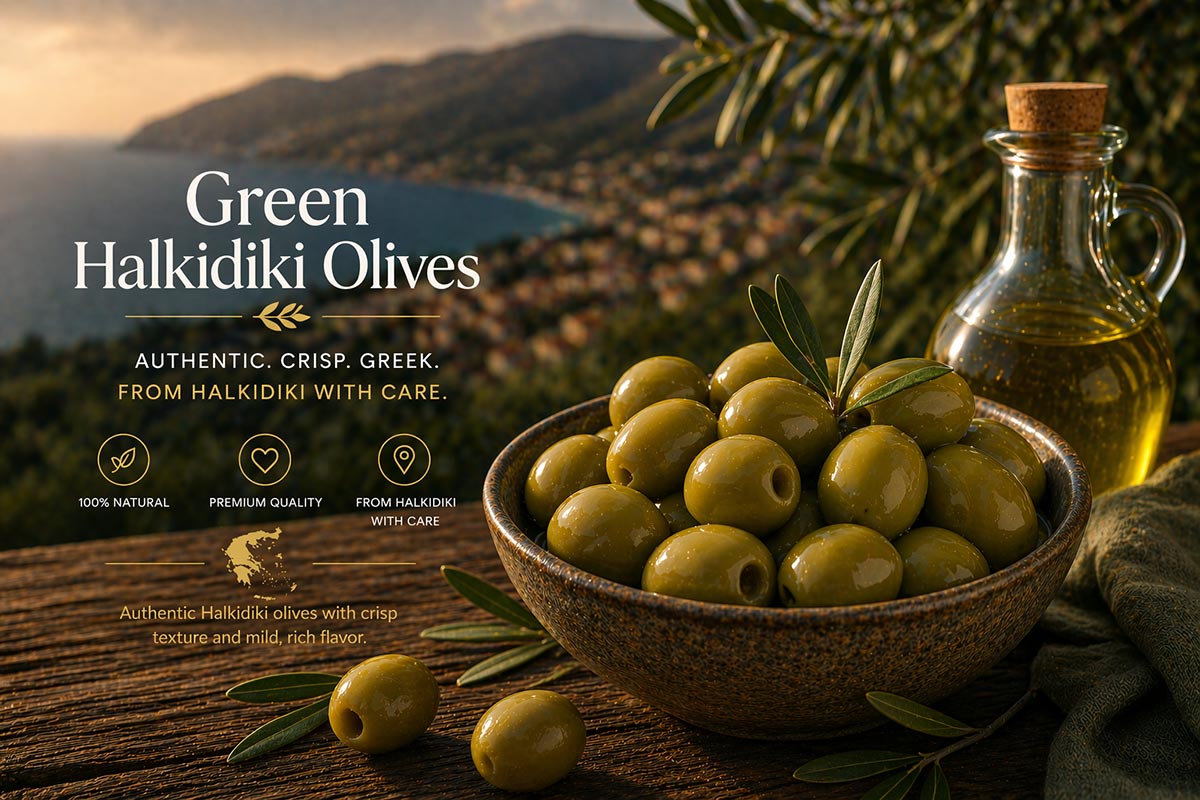
Green Halkidiki olives stand out because they combine scale with character. They come from the Chalkidiki peninsula in northern Greece, a region that produces roughly 55% of Greece’s table olives. Depending on the season, annual harvests commonly range from about 80,000 to 120,000 tons, drawn from millions of olive trees. That gives the category real commercial depth, but the appeal goes beyond volume.
What buyers notice first is size. Halkidiki olives are typically large, oval, and visually uniform, which gives them strong shelf presence in jars, tins, deli displays, and antipasti assortments. Then there’s the texture: firm, dense, and meaty without being tough. That’s a big reason they perform so well in foodservice and prepared foods.
Flavor is another advantage. Compared with sharper or more aggressively briny olive varieties, Green Halkidiki olives tend to be mild, balanced, and approachable. They’re easy to position for mainstream retail but still premium enough for gourmet applications.
And that versatility matters in export markets. A single variety can work as a whole table olive, a pitted ingredient, a sliced topping, or a stuffed specialty SKU. For international buyers, that mix of recognizable Greek origin, broad culinary use, and reliable visual quality makes Green Halkidiki olives one of the most practical premium olive categories on the market.
Key Quality Markers Buyers Should Look For In A Producer And Exporter
When we evaluate a Green Halkidiki olives producer or wholesale exporter, we need to look past sales language and focus on measurable quality markers.
First, certifications matter. HACCP and ISO systems are basic signs that a supplier operates with documented food safety and quality controls. If organic product is important for a market segment, organic certification should be current and easy to verify. For some early-harvest products, PDO-related origin claims may also be relevant, so documentation needs to match the label.
Second, raw material quality should be obvious in the finished olive. We want good size consistency, clean skin, homogeneous green coloring, low defect rates, and a crisp, meaty texture. Excessive bruising, uneven curing, or soft fruit are red flags.
Third, review processing capability. Strong exporters usually offer more than one format: whole, pitted, sliced, cracked, and stuffed with ingredients such as pepper, garlic, or almond. That range suggests operational maturity and flexibility.
Facility standards also matter. Modern processing and packing lines reduce contamination risk and improve consistency across batches. Ask about sorting, calibration, metal detection, brine controls, and traceability.
Finally, responsiveness tells us a lot. A supplier that can clearly answer questions about crop timing, sizing, shelf life, packaging specs, and lab testing is usually far easier to work with than one that hides behind vague claims.
From Harvest To Brining: How Green Halkidiki Olives Are Processed
The quality of Green Halkidiki olives starts in the field. These olives are generally harvested while still green and unripe, with early harvest often running from mid-September to late October. Standard harvest can continue through November and into December, depending on weather, ripeness targets, and the producer’s product mix.
Timing matters because it influences texture, color, and flavor. Harvest too early and the olive can be overly hard or underdeveloped. Harvest too late and it may lose the bright green appearance buyers expect.
After picking, olives are sorted and calibrated by size. This is where serious producers separate export-grade fruit from lower-value material. The best batches move into processing quickly to preserve firmness and visual quality.
Brining is the central step. In Halkidiki, classic green table olive processing typically uses brine curing to develop the characteristic taste and texture consumers recognize. The region has extensive infrastructure for this, with around 110 factories involved in processing. Over time, bitterness decreases, salt balance develops, and the olive gains its final eating profile.
From there, the olives may be packed as whole fruit or further processed into pitted, sliced, cracked, or stuffed formats. Every stage affects the final product. That’s why buyers should ask not only where the olives were grown, but how quickly they were processed, how they were cured, and how carefully the lots were graded before export.
Wholesale Formats And Packaging Options For Different Business Needs
One of the biggest strengths of Green Halkidiki olives in wholesale trade is format flexibility. Different buyers need different things, and a capable supplier should be able to match the product to the channel.
The core formats are straightforward: whole olives, pitted olives, sliced olives, cracked olives, and stuffed olives. Stuffed options often include red pepper, garlic, almond, jalapeño, or similar savory fillings, depending on the target market. Whole olives are ideal for deli retail and antipasti, while pitted and sliced formats are especially useful for kitchens and manufacturers that want speed and less prep.
Packaging should also fit the end use. Foodservice buyers may prefer large-volume plastic pails, tins, or drums for efficiency and price. Retail buyers usually need glass jars, cans, vacuum packs, or branded shelf-ready formats. Private label customers often want tailored label design, nutrition panels, and barcode-ready export packaging.
Bulk buying can improve pricing, but only if the pack style aligns with inventory turnover. A restaurant distributor may move pails quickly: a specialty retailer may need smaller units with longer shelf presentation.
This is where working with an experienced Greek olives supplier helps. Quality-focused exporters, including companies positioned around authenticity and additive-free Mediterranean products like Elaio Gaia Olives, can better align olive grade, brine profile, and packaging format with actual market demand rather than forcing buyers into a one-size-fits-all catalog.
Who Buys Green Halkidiki Olives In Bulk
Green Halkidiki olives have a wide B2B customer base because they sit at the intersection of premium appeal and practical usability. We commonly see demand from importers, regional wholesalers, supermarket buying groups, deli chains, foodservice distributors, hotel suppliers, manufacturers of prepared foods, and private label brands.
The reason is simple: these olives are easy to sell and easy to use. Their large size and clean look give them premium positioning in retail. Their mild, meaty profile makes them flexible in recipes. And because the category is well established, buyers in many countries already understand what “Greek Halkidiki olives” means.
Export orientation is another factor. A very high share of production from the region is destined for global markets, so producers are used to commercial scale and international requirements. That makes the variety particularly attractive for buyers who need continuity over multiple seasons rather than one-off opportunistic purchases.
For gourmet and health-conscious audiences, Green Halkidiki olives also benefit from strong Mediterranean associations: simple ingredients, recognizable origin, and a less processed image than many snack foods. That positioning helps bulk buyers move the product across premium retail, hospitality, and specialty food channels.
Retail, Foodservice, And Private Label Requirements
Retail, foodservice, and private label buyers all purchase in bulk, but they don’t buy the same way.
Retail usually prioritizes appearance, consistency, and shelf appeal. That means uniform sizing, bright color, clear brine, dependable texture, and packaging that photographs well and survives transport. For retail-ready SKUs, claims like Greek origin, natural processing, or no unnecessary additives can also matter a lot.
Foodservice buyers focus more on utility. They want olives that hold up on salad bars, mezze platters, pizza stations, pasta dishes, sauces, and braised dishes. Pitted formats save labor. Sliced formats improve speed. Large whole olives work for garnishes and appetizer service.
Private label buyers need even more from a supplier. Beyond product quality, they need customization. That can include specific calibers, stuffing options, salt profiles, jar sizes, lid colors, carton configurations, and country-specific labeling. They also need production planning discipline, because one delayed private label shipment can disrupt an entire launch calendar.
So before placing an order, we should define the channel clearly. The right Green Halkidiki olives exporter won’t just ask how many pallets we need. They’ll ask where the olives are going, how they’ll be sold, and what the final customer expects.
Export Standards, Food Safety, And Documentation For International Orders
For international trade, product quality is only half the story. Documentation and compliance are what actually allow a shipment to move smoothly.
At minimum, buyers should expect structured food safety systems such as HACCP and, in many cases, ISO-certified quality management processes. Depending on the destination market, additional requirements may include organic certification, allergen declarations, microbiological testing, pesticide residue reports, heavy metal checks, and packaging compliance statements.
The exporter should also provide a clear documentation package. That often includes a commercial invoice, packing list, certificate of origin, health certificate where required, product specifications, and lot traceability records. Some markets and retail chains may also require supplier questionnaires, social compliance declarations, or third-party audit results.
Brine composition, net drained weight, olive size grading, shelf life, storage conditions, and ingredient declarations should all be clearly stated in the spec sheet. If stuffed olives are involved, each filling ingredient needs to be documented correctly.
This is especially important because Greek table olive exporters are heavily international by nature. Many producers ship the vast majority of output abroad, so experienced suppliers should already understand customs expectations and market-specific paperwork. If a producer seems disorganized here, that’s not a small issue. It usually signals future delays, port problems, relabeling costs, or rejected goods.
How To Evaluate Supply Reliability, Pricing, And Order Planning
A good sample tells us the olives taste right. It doesn’t tell us whether the supplier can support our business six months from now. That’s why supply reliability needs its own evaluation.
Start with production capacity and export experience. Some established producers and processors in Halkidiki operate at substantial scale, with capacities reaching thousands of tons. That matters if we’re buying for chain retail, national distribution, or a private label rollout.
Next, ask practical questions: What are the harvest windows? How far in advance should contracts be placed? What stock is available ex-warehouse versus packed to order? Can the supplier maintain the same caliber and recipe over repeat shipments? A reliable exporter answers these questions without hedging.
Pricing should be viewed in context. The cheapest offer may reflect smaller size, lower grading discipline, weaker packaging, or inconsistent curing. We should compare cost against drained weight, olive count, defect rate, certification level, and logistics terms, not just invoice price.
Order planning also matters more than many buyers expect. Crops vary. Freight changes. Promotional calendars shift. Building a realistic forecast, reserving volume early, and keeping communication open with the producer reduces surprises. Even using verified supplier directories as a first screen can help, but direct contact, sample review, and documentation checks are still where the real due diligence happens.
How To Use Green Halkidiki Olives In Mediterranean Menus And Gourmet Products
Green Halkidiki olives earn their place in kitchens because they do more than sit in a bowl. Their large size and firm bite give chefs and food producers a versatile ingredient that adds texture as much as flavor.
In Mediterranean menus, they fit naturally into mezze spreads, Greek salads, roasted vegetable platters, focaccia toppings, seafood dishes, braises, and herb-forward pasta sauces. Their mild profile means they complement other ingredients rather than overwhelming them. That’s useful when we want balance, not just salt.
For gourmet retail, these olives work beautifully in antipasti packs, olive medleys, marinated deli tubs, tapenade blends, and stuffed appetizer assortments. Pitted versions are convenient for bakers making olive breads and savory pastries. Sliced formats suit pizzas, grain bowls, and ready meals.
They also pair well with citrus, oregano, thyme, chili, feta, almonds, and preserved lemon. In other words, they belong squarely in the modern Mediterranean pantry.
For health-conscious consumers, the appeal is obvious too: a simple, recognizable food tied to traditional eating patterns. And when sourced from a producer focused on clean, authentic Greek products without unnecessary compromises, the ingredient story becomes even stronger. That combination of culinary value and origin credibility is exactly why Green Halkidiki olives continue to perform in both gourmet and mainstream markets.
Conclusion
Sourcing Green Halkidiki olives is really about matching a remarkable Greek product with the right producer, supplier, or wholesale exporter. The best partners offer more than attractive pricing. They deliver consistent grading, flexible formats, food safety discipline, complete export documents, and realistic planning around harvest and supply.
For buyers who care about authentic Mediterranean ingredients, Green Halkidiki olives remain one of the strongest categories in the global table olive market: versatile, recognizable, and commercially reliable. If we evaluate suppliers carefully and align product specs with the final use, we put ourselves in a much better position to buy well, sell confidently, and serve something genuinely worth importing.
Key Takeaways
- Green Halkidiki olives are prized for their large size, firm texture, and mild, balanced flavor, making them ideal for various culinary uses and premium retail positioning.
- When choosing a Green Halkidiki olives supplier, prioritize those with certifications like HACCP and ISO, consistent grading, flexible packaging formats, and strong export reliability.
- Processing quality is critical—look for suppliers who harvest at optimal times, ensure fast processing, and maintain strict brining and sorting standards to preserve olive firmness and color.
- The olives are available in multiple wholesale formats, including whole, pitted, sliced, cracked, and stuffed, allowing suppliers to cater to retail, foodservice, and private label needs effectively.
- Thorough documentation and compliance with international food safety standards are essential to smooth exporting and market acceptance, so verify supplier transparency on certifications and export paperwork.
- Supply reliability depends on production capacity, harvest windows, and clear communication on order planning, making it important to establish strong relationships with experienced producers or wholesale exporters.
Frequently Asked Questions about Green Halkidiki Olives
What makes Green Halkidiki olives distinctive in the global market?
Green Halkidiki olives stand out due to their large, uniform size, firm and meaty texture, and mild, balanced flavor. Sourced mainly from northern Greece’s Chalkidiki peninsula, they combine premium quality with versatility suitable for retail, foodservice, and gourmet dishes.
How are Green Halkidiki olives processed from harvest to packaging?
Harvested early from mid-September to December, these olives are sorted by size and quickly processed via traditional brining in over 110 regional factories. This curing reduces bitterness, develops flavor, and prepares them for packaging in various formats like whole, pitted, sliced, or stuffed.
What should buyers look for when selecting a Green Halkidiki olive producer or exporter?
Buyers should verify certifications such as HACCP, ISO, and organic where applicable. Essential quality markers include consistent large size, clean skin, low defects, and firm texture. A reliable supplier offers multiple olive formats, modern facilities, detailed documentation, and responsive communication about supply and packaging.
What wholesale formats and packaging options are available for Green Halkidiki olives?
Wholesale options include whole, pitted, sliced, cracked, and stuffed olives with fillings like pepper, garlic, or almond. Packaging varies by customer needs, from large plastic pails and drums for foodservice to glass jars and cans for retail, including private label customization options.
Who typically buys Green Halkidiki olives in bulk and why?
Bulk buyers include importers, wholesalers, supermarket chains, foodservice distributors, hotel suppliers, and private label brands. They value Halkidiki olives for their premium appearance, mild flavor, versatility in recipes, and consistent supply suited for retail, hospitality, and specialty gourmet markets.
How can Green Halkidiki olives be used in Mediterranean menus and gourmet products?
Their firm, meaty texture and mild taste make them ideal for mezze platters, salads, focaccia, seafood, pasta sauces, and antipasti. Available in whole, pitted, and sliced forms, they complement herbs like oregano and thyme and pair well with ingredients like feta and preserved lemon in sophisticated Mediterranean dishes.