-
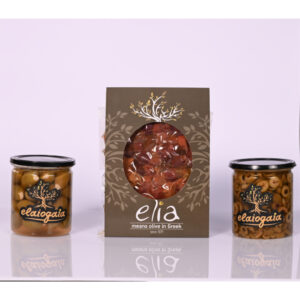
Gift Pack Ελιών
-

Mix Πράσινων Ελιών σε Άλμη 250g
-
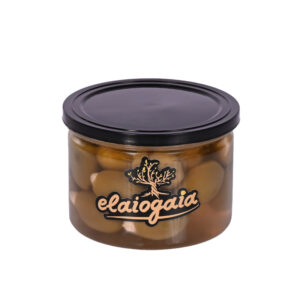

Πράσινες Ελιές με Αμύγδαλο 300ml
-


Πράσινες Ελιές με Αμύγδαλο 450ml
-
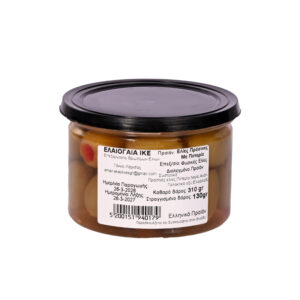

Πράσινες Ελιές με Πιπεριά 300ml
-
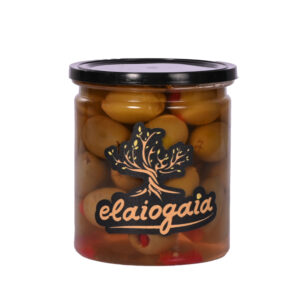
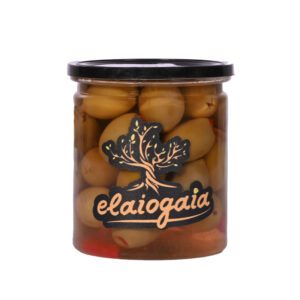
Πράσινες Ελιές με Πιπεριά 450ml
-
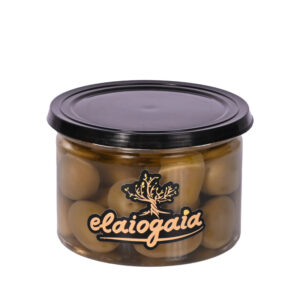
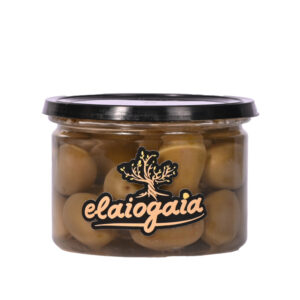
Πράσινες Ελιές Χαλκιδικής 300ml
-
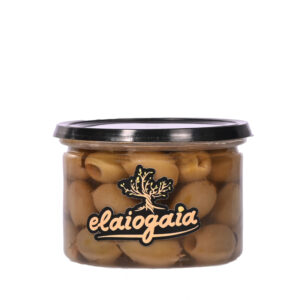
Πράσινες Ελιές Χωρίς Κουκούτσι 300ml
-
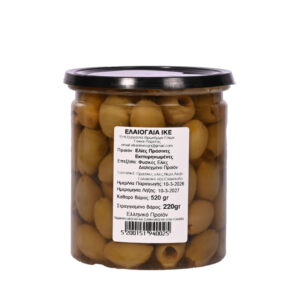
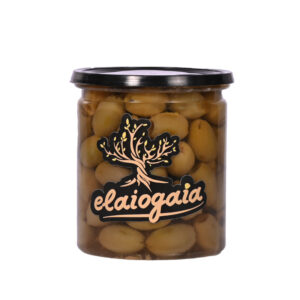
Πράσινες Ελιές Χωρίς Κουκούτσι 450ml
-

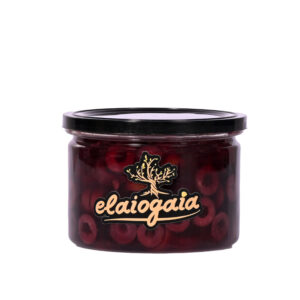
Ροδέλες Ελιάς Καλαμών 300ml
Green Amfissa Olives Supplier Guide: How To Source Authentic Greek Bulk Olives For Supermarkets
If we’re sourcing olives for supermarket shelves, not all “Greek green olives” are interchangeable. Green Amfissa olives occupy a very specific place in the market: they’re known for a juicy, meaty bite, a buttery finish, a delicate citrus edge, and the kind of consistency buyers notice once they’ve handled enough commodity lots. In our days, that distinction matters even more. Retailers want cleaner labels, better traceability, dependable export partners, and formats that work equally well for deli counters, gourmet aisles, and private-label programs.
For buyers, importers, and food professionals, and yes, for olive lovers who care where their ingredients come from, the challenge isn’t just finding a supplier. It’s finding the right Green Amfissa olives supplier, exporter, and wholesale partner for supermarkets without sacrificing authenticity. In this guide, we’ll break down what makes this Greek variety special, how trade terms really work, what retail buyers look for, and how to choose a partner that can deliver quality at scale.
 What Makes Green Amfissa Olives Distinct In The Wholesale Market
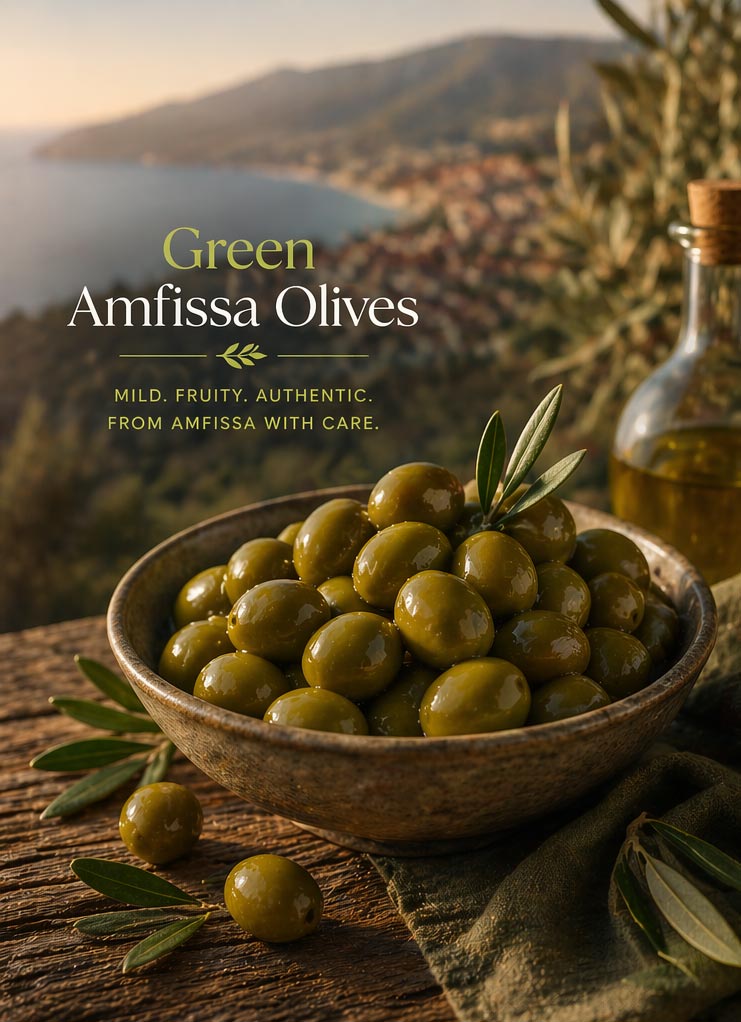
Green Amfissa olives stand out because they deliver premium eating quality in a format wholesale buyers can actually scale. They’re typically round to slightly oval, green to green-yellow in color, and protected by a thin but elastic skin that helps resist shriveling in brine. That matters in commercial supply chains, where appearance after transport is not a small detail, it’s part of the sell-through story.
Compared with more common bulk olive types, Amfissa olives are prized for texture. They tend to be juicy and fleshy rather than overly firm or fibrous, with a buttery finish and a more nuanced aroma than generic green table olives. Buyers often describe subtle citrusy or young-olive-oil notes, which makes them attractive for premium retail, antipasto bars, and Mediterranean ingredient sets.
Another commercial advantage is their processing style. Green Amfissa olives are commonly harvested semi-ripe, often around November, then cured in brine rather than aggressively altered with heavy additives. That cleaner profile aligns with what many supermarkets now want: ingredient decks consumers can read quickly and trust.
In wholesale, distinction comes down to repeatability. When a product has recognizable size grades, dependable flavor, and a strong origin story, it’s easier for retailers to justify premium positioning.
Why Greek Origin Matters For Flavor, Texture, And Buyer Confidence
Greek origin isn’t just marketing language here: it’s part of the product definition. The Amfissa region in Central Greece has the climate, groves, and cultivation heritage that shape the olive’s identity. Those conditions influence fruit size, oil content, texture, and the balanced flavor profile buyers associate with authentic Green Amfissa olives.
For supermarkets and importers, origin also supports confidence. A clearly Greek supply chain gives us more than romance and pretty labels. It improves traceability, harvest transparency, and documentation, especially when working with growers and processors who can identify region, crop year, curing method, and lot details. That’s increasingly important as retailers face tighter expectations around sourcing claims.
There’s a consumer angle too. Shoppers looking for Mediterranean ingredients often recognize Greece as a benchmark origin for olives. Even when they don’t know Amfissa by name, they respond to authenticity cues: traditional brining, hand-harvested fruit, and a product that feels tied to place. In premium grocery, origin sells when quality backs it up.
For brands built around pure Greek ingredients, such as the approach seen at Elaio Gaia Olives, Greek origin reinforces a simple but powerful message: no shortcuts, no unnecessary compromises, just real olives with a clear provenance.
Supplier, Exporter, And Wholesale Terms Explained For Trade Buyers
These terms get used interchangeably, but for trade buyers they mean different things.
A supplier is the company providing the olives. That may be a processor, packer, grower group, or a business that aggregates product from several certified producers in the Amfissa area. If we’re evaluating product quality, pack styles, curing methods, and available sizes, we’re usually dealing first with the supplier.
An exporter manages the movement of those olives across borders. Sometimes the supplier and exporter are the same company: sometimes they’re not. The exporter handles shipping coordination, customs paperwork, compliance details, and communication around lead times. For supermarket procurement teams, this distinction matters because a great olive packer is not automatically a great export operator.
Wholesale refers to the commercial sales model: large-volume purchasing at trade pricing for resale, food service, or further distribution. In olives, wholesale often includes size grading, such as 231–260 fruits per kilogram or larger “colossal” classifications, plus negotiated minimum order quantities, pallet configurations, and contract pricing.
Why does this matter in practice? Because the best Green Amfissa olives supplier for a local deli may not be the right partner for a supermarket chain. Retail buyers need stable inventory, documentation, and packaging flexibility. A supplier may offer excellent fruit, but if the exporter side is weak, shipments can get delayed or mislabeled. And if the wholesaler can’t maintain consistent specifications lot after lot, shelf performance suffers.
So when we ask a prospective partner questions, we should separate the functions: Who sources the olives? Who packs them? Who exports them? Who owns quality claims? That simple clarity saves a surprising amount of trouble later.
How Supermarkets Evaluate Bulk Olive Suppliers
Supermarkets rarely buy bulk olives on taste alone, even when taste is the reason they’ll sell. They assess suppliers through a mix of sensory quality, operational reliability, commercial fit, and risk reduction.
First comes product performance. Buyers want olives that look good in pack, hold texture in brine, and maintain a stable flavor profile through the shelf-life window. Green Amfissa olives have an advantage here because their meaty flesh and elastic skin tend to present well when processed correctly. But buyers still expect proof: samples from current lots, size specs, brine details, and sometimes shelf-life test data.
Second is certification and sourcing credibility. Organic certification can be a major plus, especially in natural and premium grocery channels. Some retailers also value regenerative farming claims, provided they’re documented clearly and not used as vague marketing fluff. Traceability back to Greek harvests and processing batches is becoming standard, not exceptional.
Third is format readiness. A supermarket may want bulk tins for deli service, jars for premium shelves, and private-label retail packs for mainstream aisles. Suppliers that can serve more than one channel reduce complexity for buyers.
Then there’s basic commercial discipline: lead times, MOQ flexibility, recall readiness, consistency of sizing, and responsiveness. Retailers don’t want to chase paperwork three days before a container closes.
Finally, supermarkets think about consumer positioning. Will the olives support a premium Mediterranean story? Are the ingredients clean enough to satisfy label-conscious shoppers? Do they fit current demand for authentic, minimally processed foods? The suppliers that win are usually the ones that combine genuine Greek product quality with boringly reliable execution, which, in grocery, is a compliment.
Product Formats And Pack Sizes For Retail And Food Service
Green Amfissa olives work across several channels, but only if the format matches the use case. A gourmet retailer, a supermarket deli, and a food service buyer don’t need the same pack, even when they’re buying the same fruit.
For retail shelves, common formats include glass jars, PET containers, vacuum packs, and smaller trays designed for convenience and snacking. For deli or food service programs, larger tubs, pails, and bulk packs make more sense. The right choice depends on turnover rate, merchandising style, and whether the olives are sold as a standalone SKU or as part of an antipasti mix.
Size grading also affects fit. Larger olives can command stronger shelf appeal in premium retail, while mid-range sizes may offer a better margin for prepared foods or salad bars. Wholesale buyers should always confirm count-per-kilo ranges rather than relying on vague size labels.
Pitted, Whole, Sliced, And Marinated Options
Whole Green Amfissa olives are often the flagship product because they showcase the variety’s natural texture and shape. They’re ideal for premium grocery, cheese boards, deli presentations, and consumers who care about authenticity.
Pitted options broaden appeal. They’re easier for casual snacking, cooking, and meal prep, and they tend to move well in supermarkets because they reduce friction for shoppers. Sliced olives serve a more functional role, pizza programs, salad bars, prepared foods, and food service applications.
Marinated versions can create value-added lines, especially when paired with extra virgin olive oil, herbs, citrus, or mild spices. But there’s a balance to strike. With a variety as distinctive as Amfissa, heavy marinades can bury the fruit’s natural buttery and slightly citrusy character. The best marinated options enhance rather than mask.
Some suppliers also offer organically certified versions across these formats, which can help retailers create tiered assortments: everyday, premium, and organic premium.
Private Label, Retail-Ready, And Bulk Packaging Considerations
Private label is a major opportunity. Supermarkets want differentiated Mediterranean products without building a supply chain from scratch, and Green Amfissa olives fit that model well. A capable supplier should support label design specs, barcode requirements, carton markings, language compliance, and retailer-specific packaging rules.
Retail-ready packaging should protect the olives, communicate Greek origin clearly, and fit the store’s merchandising logic. That sounds obvious, but practical details matter: jar weight, shelf footprint, tamper evidence, drain weight declaration, and whether the pack looks premium enough for its price point.
Bulk packaging is more about efficiency. Food service and deli buyers need formats that minimize damage, maintain brine coverage, and allow easy handling in back-of-house operations. PET and food-grade plastic containers are common, but shipping stability and seal integrity matter more than the material alone.
We should also ask one useful question early: does the supplier pack the same olive in both retail-ready and bulk formats? If yes, we can create multi-channel consistency without sourcing different products for different departments.
Quality Standards, Certifications, And Traceability To Expect
A serious Green Amfissa olives supplier should be able to document quality, not just describe it nicely.
At product level, we should expect clarity on cultivar, origin, harvest period, curing method, size grades, and ingredient composition. For this olive type, brine-only or similarly clean processing is often a quality signal because it preserves the fruit’s natural character. If an olive needs a long ingredient list to become appetizing, something has already gone off track.
Certifications vary by market, but common expectations include food safety systems such as HACCP or ISO-aligned controls, plus organic certification where relevant. Some buyers will also look for BRCGS or IFS-level manufacturing assurance, especially for supermarket placement. If regenerative or sustainable farming claims are made, those should be backed by verifiable practices rather than airy brochure language.
Traceability is non-negotiable. Buyers should be able to identify where the olives were grown, when they were harvested, how they were processed, and which lot they belong to. In practical terms, that means batch coding, production records, and fast access to supporting documents during audits or customer inquiries.
Sensory consistency matters too. We want confirmation of color range, texture integrity, defect tolerances, salt levels, and microbiological stability. And yes, a retained sample policy is worth asking about.
For premium Greek products, quality is partly emotional, tradition, region, craft. But supermarket buying decisions are built on paperwork as much as palate. The right partner respects both sides.
Logistics, Export Documentation, And Shelf-Life Planning
Olives may be a stable category compared with fresh produce, but export logistics still deserve careful planning. A shipment that arrives late, warm, leaking, or poorly documented can create real retail headaches.
The first piece is transit coordination. Green Amfissa olives shipped from Greece need packing schedules, pallet specs, and container planning aligned with the buyer’s receiving calendar. Depending on format and destination, refrigerated or temperature-controlled transport may be advisable, particularly for premium marinated lines or markets with strict handling expectations. Even when full refrigeration isn’t mandatory, heat exposure can affect texture, brine integrity, and final presentation.
Documentation is the second piece. Trade buyers should expect commercial invoices, packing lists, certificates of origin where needed, product specifications, and market-specific compliance records. Some destinations may also require phytosanitary or related import documentation depending on product format and local regulations. We shouldn’t assume the exporter “will handle it”: we should verify exactly what is provided and when.
Shelf-life planning is the third piece, and it starts before the first order. Buyers need clear data on unopened shelf life, storage conditions, drain weight retention, and post-opening handling. Natural brine and EVOO-based preparations can support strong shelf stability, but only if processing and sealing are well controlled. Matured olives may offer excellent flavor, yet that doesn’t eliminate the need for realistic dating and stock rotation.
One of the most overlooked questions is this: what remaining shelf life will be guaranteed on arrival? That answer affects margin, markdown risk, and retailer confidence far more than glossy brochures ever will.
How To Choose The Right Green Amfissa Olives Partner
Choosing the right partner comes down to fit, not just price. Plenty of companies can quote olives. Fewer can support a supermarket program with consistent Greek origin, flexible packaging, solid export execution, and documentation that holds up under scrutiny.
We’d start with origin integrity. Does the company specialize in authentic Greek olives, or are Green Amfissa olives just one line in a broad commodity catalog? Specialization usually shows in the details: better product knowledge, stronger harvest traceability, and more realistic conversations about size, seasonality, and curing.
Next, we’d assess operational range. Can the partner provide whole, pitted, sliced, and marinated options? Can they support both bulk and retail-ready formats? Do they offer private label without turning the process into a six-month maze? A good supplier should make expansion easier, not more chaotic.
Then we’d look at proof. Ask for specs, certifications, recent lab data, sample lots, and export references. Evaluate responsiveness. If communication is slow during the sales process, it rarely improves once containers are booked.
Commercially, the goal is dependable value. The cheapest quote can become the most expensive if it brings inconsistency, weak shelf life, or freight problems. We should compare delivered cost, not just product cost.
And finally, choose a partner whose product philosophy matches the market. For a brand rooted in authentic Greek quality and minimal compromise, again, the kind of positioning reflected by Elaio Gaia Olives, that alignment can strengthen both consumer trust and long-term retail performance.
In short: pick the supplier that can prove authenticity, execute exports cleanly, and keep quality steady order after order. That’s the partner supermarkets remember for the right reasons.
Frequently Asked Questions about Green Amfissa Olives Supplier and Exporter for Supermarkets
What makes Green Amfissa olives unique for supermarket wholesale buyers?
Green Amfissa olives stand out due to their juicy, meaty texture, buttery finish, subtle citrus notes, and a thin elastic skin that resists shriveling, making them ideal for retail shelves and deli counters with consistent quality and premium appearance.
Why is Greek origin important when sourcing Green Amfissa olives?
The Amfissa region in Central Greece provides the ideal climate and heritage, ensuring genuine flavor, texture, and traceability. This authentic origin boosts buyer confidence, supports clean labeling, and aligns with consumer demand for Mediterranean ingredients with clear provenance.
How do suppliers, exporters, and wholesalers differ in the Green Amfissa olive trade?
Suppliers provide the olives, managing cultivation and packing; exporters handle international shipping, customs, and compliance; wholesalers focus on bulk sales with size grading and price negotiation. Each role is critical to ensuring product quality, on-time delivery, and commercial consistency for supermarkets.
What certification and quality standards should supermarkets expect from a Green Amfissa olives supplier?
Suppliers should offer food safety certifications like HACCP, organic or regenerative farming certifications when relevant, full traceability to the Amfissa harvest, clean brine-only processing, consistent size grading, and documented shelf-life to meet retailer expectations.
What packaging formats are available for Green Amfissa olives suitable for supermarkets?
Formats include retail-ready glass jars, PET containers, vacuum packs, and bulk tubs for deli or food service. Options include whole, pitted, sliced, and lightly marinated olives. Private label and organic certifications are often supported to cater to multiple retail channels.
How can supermarkets ensure reliable supply and quality when choosing a Green Amfissa olives partner?
Supermarkets should select partners specializing in authentic Greek olives with proven traceability, flexible packaging options, certified export operations, and consistent lot-to-lot quality. Asking for recent lab data, references, and export documentation helps guarantee dependable delivery and product authenticity.