Ανακαλύψτε τις Επιλογές μας σε Ελιές
Ανακαλύψτε προσεκτικά επιλεγμένες ελληνικές ελιές γεμάτες αυθεντική μεσογειακή γεύση.
-
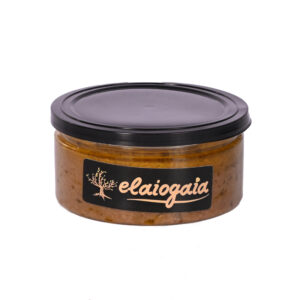
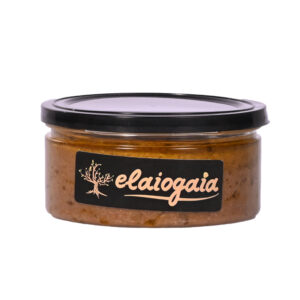
Πράσινη Πάστα Ελιάς 200ml
-
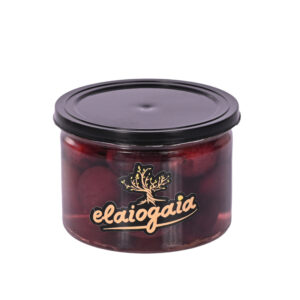

Ελιές Καλαμών 300ml
-
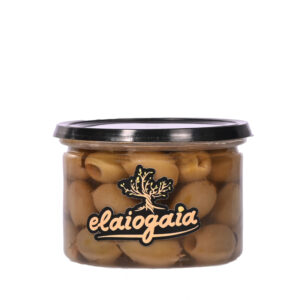
Πράσινες Ελιές Χωρίς Κουκούτσι 300ml
-
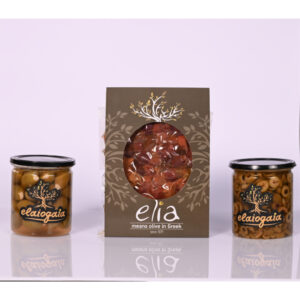
Gift Pack Ελιών
-
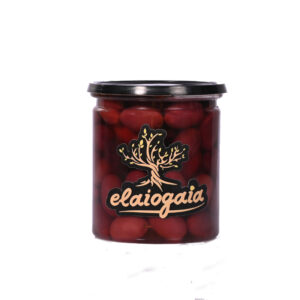
Ελιές Καλαμών 450ml
-


Μαύρες Ελιές Άμφισσας 450ml
-
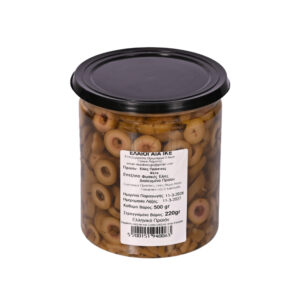
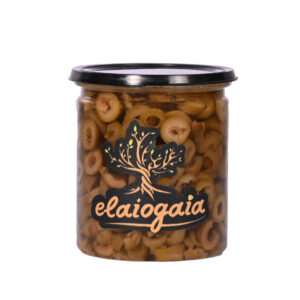
Ροδέλες Πράσινης Ελιάς 450ml
-

Mix Πράσινων Ελιών σε Άλμη 250g
-

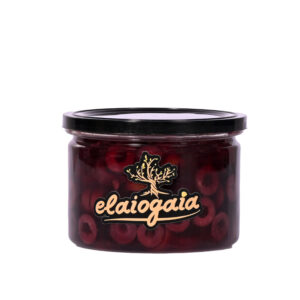
Ροδέλες Ελιάς Καλαμών 300ml
-
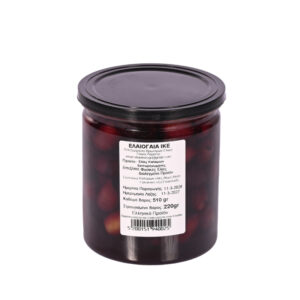
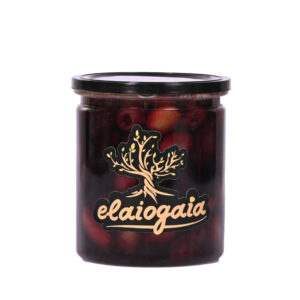
Ελιές Καλαμών Χωρίς Κουκούτσι 450ml
-
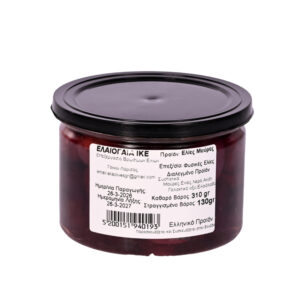
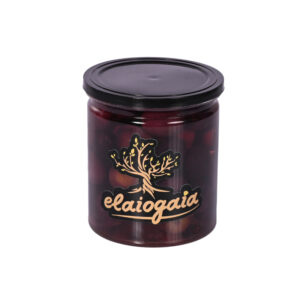
Μαύρες Ελιές Άμφισσας 300ml
-
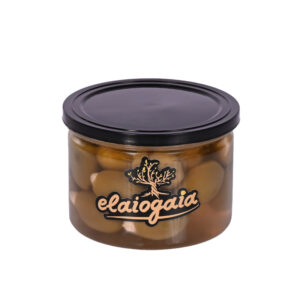

Πράσινες Ελιές με Αμύγδαλο 300ml
-
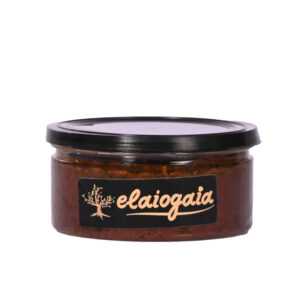
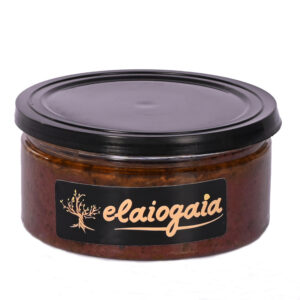
Πάστα Ελιάς Καλαμών 200ml
-

Ελιές Καλαμών Χωρίς Κουκούτσι 300ml
-
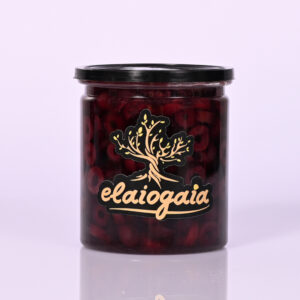
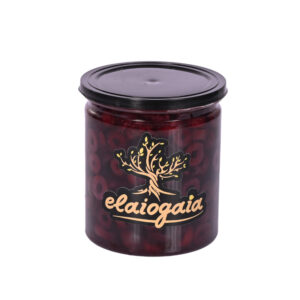
Ροδέλες Ελιάς Καλαμών 450ml
-
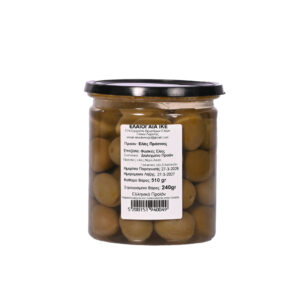
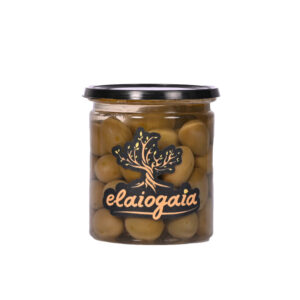
Πράσινες Ελιές Χαλκιδικής 450ml
-


Πράσινες Ελιές με Αμύγδαλο 450ml
-

Θρούμπες Μαύρες Ελιές 250g
-
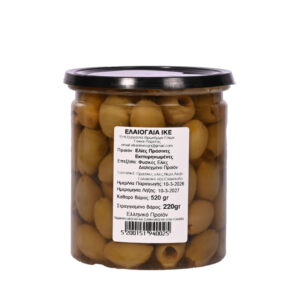
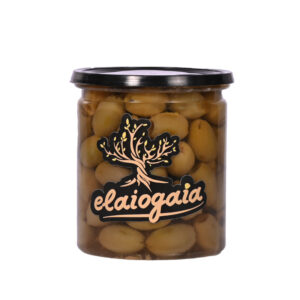
Πράσινες Ελιές Χωρίς Κουκούτσι 450ml
-
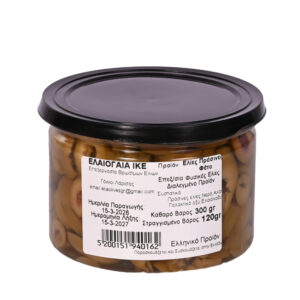
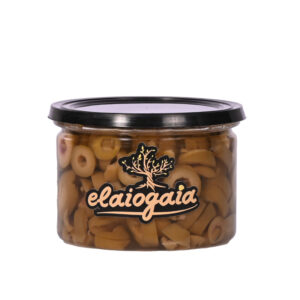
Ροδέλες Πράσινης Ελιάς 300ml
-
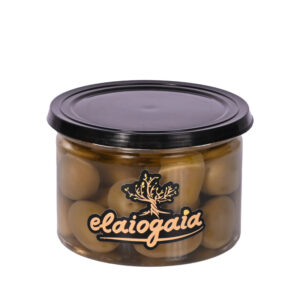
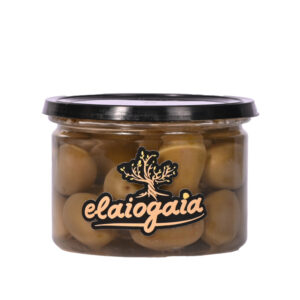
Πράσινες Ελιές Χαλκιδικής 300ml
-
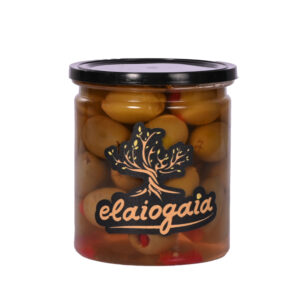
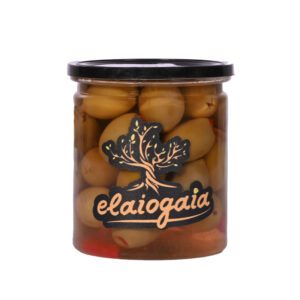
Πράσινες Ελιές με Πιπεριά 450ml
-
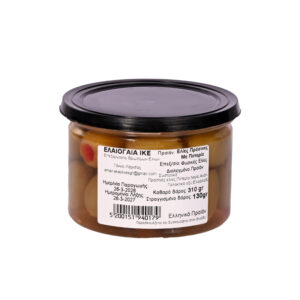

Πράσινες Ελιές με Πιπεριά 300ml
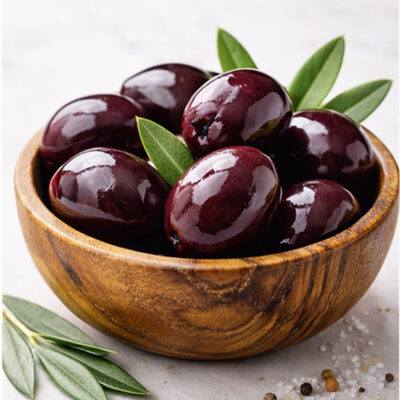
Ελιές Καλαμών
Πλούσια γεύση και αυθεντικός μεσογειακός χαρακτήρας για κάθε στιγμή της ημέρας.
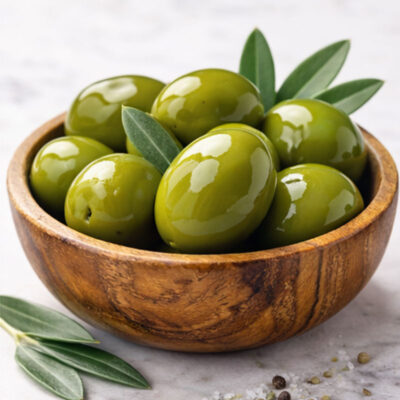
Πράσινες Ελιές
Φρέσκες και προσεκτικά επιλεγμένες για τραγανή υφή και ισορροπημένη γεύση.
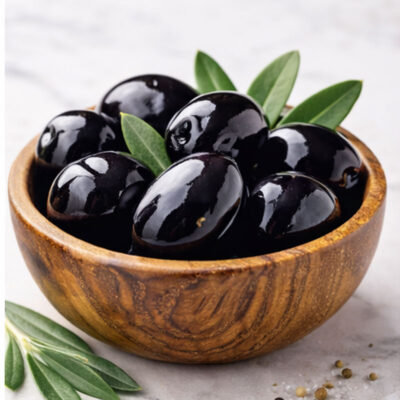
Μαύρες Ελιές
Γεμάτη γεύση και αυθεντική απόλαυση εμπνευσμένη από την ελληνική παράδοση.
Γιατί να μας Επιλέξετε
Αυθεντική Ελληνική Προέλευση
Επιλεγμένα προϊόντα από Έλληνες παραγωγούς με σεβασμό στην παράδοση.
Premium Ποιότητα
Προϊόντα που πληρούν υψηλά πρότυπα ποιότητας και γεύσης.
Γρήγορη Παράδοση
Γρήγορη και ασφαλής αποστολή στον χώρο σας.
Φυσικά & Αγνά Προϊόντα
Χωρίς περιττές προσθήκες, μόνο αυθεντική μεσογειακή ποιότητα.

Η Ιστορία μας
Στην ElaioGaia φέρνουμε την αυθεντική γεύση της Ελλάδας μέσα από επιλεγμένα προϊόντα ελιάς.
Στόχος μας είναι να συνδυάζουμε την παράδοση με την ποιότητα μέσα από ελιές, ελαιόλαδο και εκλεκτά προϊόντα.
Κάθε προϊόν επιλέγεται με φροντίδα ώστε να προσφέρει μοναδική γευστική εμπειρία.
Γευτείτε την Ελλάδα
Ανακαλύψτε premium προϊόντα ελιάς φτιαγμένα με παράδοση και φροντίδα.
Ελιές Παραγωγός Χονδρική Εξαγωγές: Ο Πλήρης Οδηγός Συνεργασίας με Έλληνες Παραγωγούς
Στον κόσμο του premium φαγητού, λίγα προϊόντα κουβαλούν τόσο βαρύ πολιτισμικό φορτίο όσο η ελληνική ελιά. Από τις πέτρινες πλαγιές της Μάνης μέχρι τα ηλιόλουστα περιβόλια της Χαλκιδικής, οι ελιές που φεύγουν κάθε χρόνο από την Ελλάδα προς τα ράφια εκλεκτών delicatessen, εστιατορίων Michelin και μεγάλων αλυσίδων λιανικής δεν είναι απλώς ένα προϊόν, είναι μια ολόκληρη ιστορία γεύσης, εδάφους και ανθρώπινης φροντίδας.
Αν αναζητάτε αξιόπιστο παραγωγό για ελιές χονδρική εξαγωγές, βρίσκεστε σε ένα σημείο όπου η ζήτηση παγκοσμίως ξεπερνά συστηματικά την προσφορά ποιοτικών παρτίδων. Οι αγοραστές δεν θέλουν απλώς ελιές· θέλουν ιχνηλασιμότητα, σταθερότητα γεύσης από container σε container, πιστοποιήσεις που αντέχουν στον έλεγχο της Ευρωπαϊκής Επιτροπής, και έναν συνεργάτη που σηκώνει το τηλέφωνο όταν χρειαστεί να αλλάξει μια ετικέτα ή να επισπευστεί μια αποστολή.
Σε αυτόν τον οδηγό, μοιραζόμαστε όσα έχουμε μάθει ως οικογενειακή επιχείρηση παραγωγής στην Elaia Gaia Olives, από την επιλογή ποικιλιών και τη διαχείριση συσκευασίας ιδιωτικής ετικέτας, μέχρι τα logistics, την τιμολόγηση και τις τάσεις των διεθνών αγορών. Στόχος μας είναι να σας δώσουμε ένα πρακτικό πλαίσιο, όχι θεωρία.
Γιατί οι Ελληνικές Ελιές Κυριαρχούν στις Διεθνείς Αγορές
Όταν ένας αγοραστής στο Τόκιο, το Τορόντο ή το Αμβούργο ζητά «αυθεντικές μεσογειακές ελιές», στις περισσότερες περιπτώσεις μιλάει για ελληνικές. Δεν είναι σύμπτωση. Η Ελλάδα παράγει περίπου το 65% των επιτραπέζιων ελιών παγκοσμίως υψηλής κατηγορίας, σύμφωνα με στοιχεία του Διεθνούς Συμβουλίου Ελαιοκομίας, και είναι η μοναδική χώρα όπου η ελιά καλλιεργείται αδιάλειπτα από την εποχή του Χαλκού.
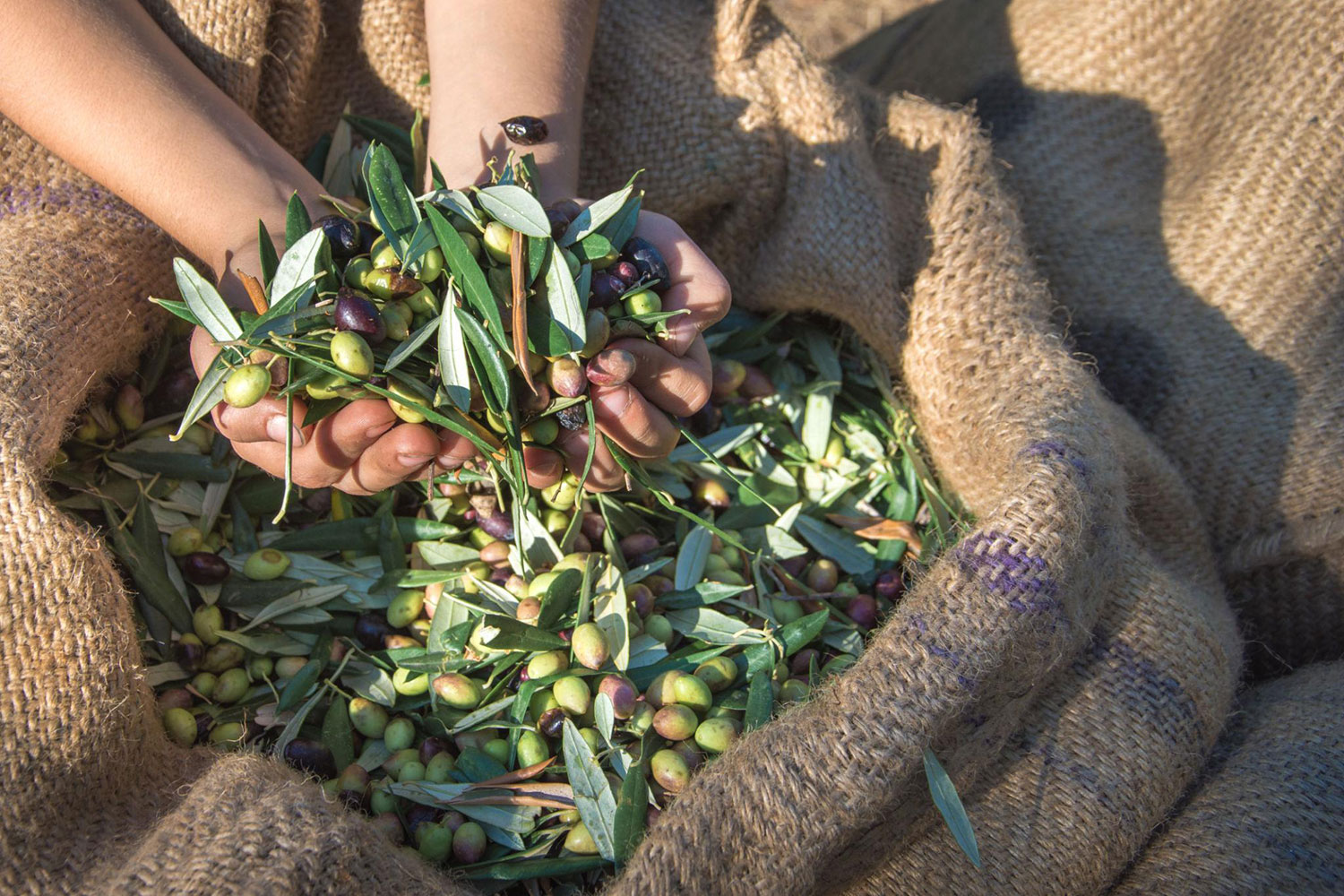
Η κυριαρχία αυτή στηρίζεται σε τρεις πυλώνες: τη γεωγραφία, την παράδοση και τους ανθρώπους που εξακολουθούν να εργάζονται με τα χέρια τους στα χωράφια. Σε αντίθεση με βιομηχανοποιημένες παραγωγές άλλων χωρών, εδώ η συγκομιδή παραμένει σε μεγάλο βαθμό χειρωνακτική, κάτι που προστατεύει τον καρπό από μώλωπες και διατηρεί την ποιότητα.
Μοναδικά Χαρακτηριστικά Εδάφους και Κλίματος
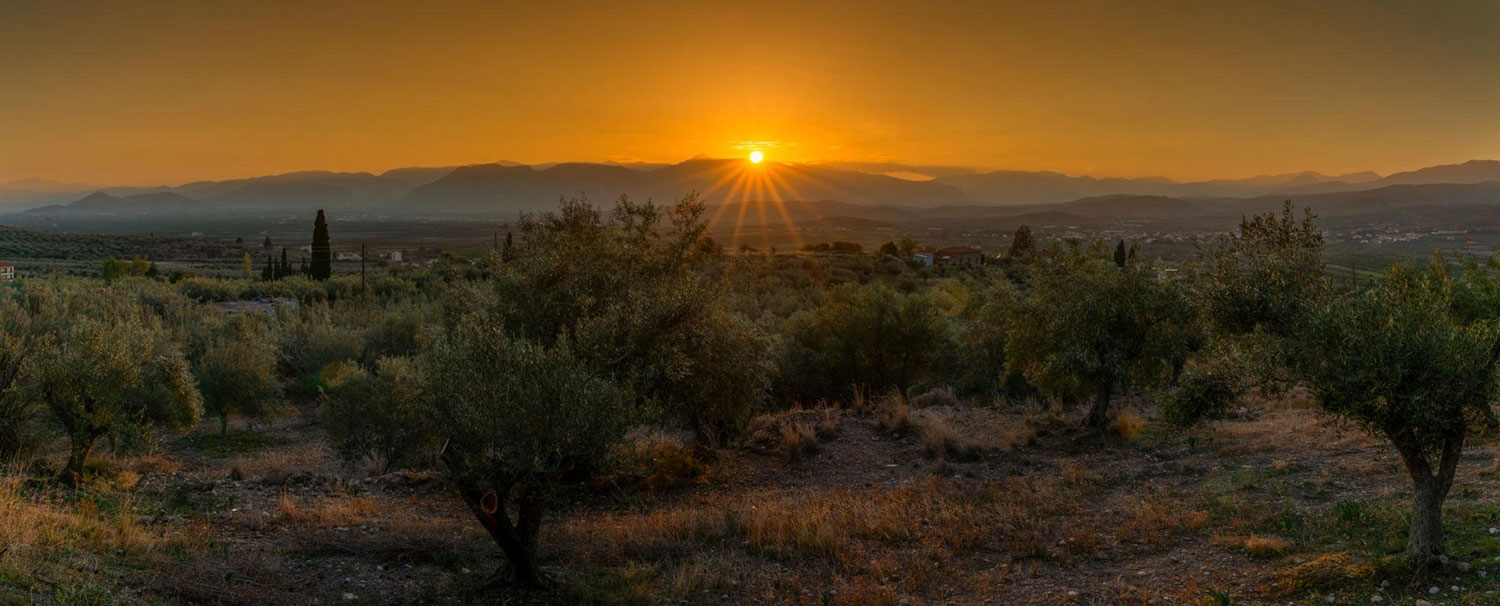
Το ελληνικό terroir είναι αυτό που δίνει στις ελιές μας το ξεχωριστό προφίλ. Ασβεστολιθικά εδάφη, χαμηλή υγρασία το καλοκαίρι, ήπιοι χειμώνες και πάνω από 250 ημέρες ηλιοφάνειας τον χρόνο δημιουργούν συνθήκες που δύσκολα αναπαράγονται αλλού. Στην Πελοπόννησο, για παράδειγμα, η εναλλαγή θερμοκρασιών μεταξύ ημέρας και νύχτας ενισχύει τη συγκέντρωση πολυφαινολών, ακριβώς αυτών των ενώσεων που οι σύγχρονοι καταναλωτές αναζητούν για τα οφέλη τους στην υγεία.
Η κοντινή απόσταση από τη θάλασσα προσθέτει επίσης μια λεπτή αλμυρότητα στον καρπό, ιδιαίτερα εμφανή σε ποικιλίες όπως η Θρούμπα Θάσου.
Παραδοσιακές Μέθοδοι Καλλιέργειας και Σύγχρονη Βιωσιμότητα
Οι περισσότεροι Έλληνες παραγωγοί δουλεύουν σε ελαιώνες μικρής ή μεσαίας κλίμακας, οικογενειακές μονάδες κάτω των 10 εκταρίων, όπου η εξειδικευμένη γνώση μεταφέρεται από γενιά σε γενιά. Αυτό δεν είναι ρομαντισμός· είναι ανταγωνιστικό πλεονέκτημα. Ο παραγωγός γνωρίζει το κάθε δέντρο.
Ταυτόχρονα, η νέα γενιά ελαιοκαλλιεργητών έχει αγκαλιάσει βιώσιμες πρακτικές: στάγδην άρδευση χαμηλής κατανάλωσης, βιολογική λίπανση, ολοκληρωμένη διαχείριση επιβλαβών οργανισμών και ανάκτηση υπολειμμάτων ελαιοτριβείου για βιοενέργεια. Σε αυτό το πλαίσιο κινούμαστε και εμείς στην Elaia Gaia, συνδυάζοντας πατροπαράδοτες τεχνικές με σύγχρονα πιστοποιημένα πρωτόκολλα.
Δημοφιλείς Ποικιλίες Ελληνικών Ελιών για Χονδρική και Εξαγωγή
Η Ελλάδα διαθέτει πάνω από 40 αυτόχθονες ποικιλίες ελιάς, αλλά στις διεθνείς αγορές χονδρικής κυριαρχούν λίγες, αυτές με σταθερή παραγωγή, αναγνωρίσιμη γεύση και αντοχή στη μεταφορά. Ως παραγωγοί, η επιλογή ποικιλιών που προσφέρουμε στους αγοραστές χονδρικής βασίζεται όχι μόνο στη ζήτηση, αλλά και στο πόσο καλά «ταξιδεύει» κάθε καρπός.
Ελιές Καλαμών: Το Διαμάντι των Επιτραπέζιων Ελιών
Η Καλαμών είναι αναμφισβήτητα η πιο διάσημη ελληνική ελιά παγκοσμίως. Αμυγδαλόσχημη, με βαθύ μωβ-μαύρο χρώμα και χαρακτηριστική φρουτώδη γεύση με νότες κρασιού, αποτελεί την πρώτη επιλογή για delicatessen, ξενοδοχειακή χρήση και προϊόντα ιδιωτικής ετικέτας υψηλής ποιότητας.
Στη χονδρική, η Καλαμών διατίθεται σε διάφορα μεγέθη (συνήθως από 181/200 έως 401+ καρπούς ανά κιλό), με ή χωρίς κουκούτσι, σε άλμη, σε ξύδι ή σε ελαιόλαδο. Η ονομασία «Καλαμάτα ΠΟΠ» προστατεύεται και αποτελεί ισχυρό εμπορικό επιχείρημα στις διεθνείς αγορές, ιδιαίτερα μετά την επανεπιβεβαίωση των κανονισμών ΠΟΠ από την ΕΕ το 2023.
Πλεονεκτήματα της Απευθείας Συνεργασίας με τον Παραγωγό
Η αλυσίδα από το χωράφι στο ράφι μπορεί να περιλαμβάνει πέντε ή έξι ενδιάμεσους κρίκους: παραγωγός, συνεταιρισμός, μεσάζων, εμπορική εταιρεία, εισαγωγέας, διανομέας. Κάθε κρίκος προσθέτει κόστος, αλλά και απομακρύνει τον τελικό αγοραστή από την πηγή της πληροφορίας.
Όταν συνεργάζεστε απευθείας με παραγωγό, κερδίζετε σε τέσσερα μέτωπα:
- Τιμή: Εξαλείφοντας 2-3 ενδιάμεσους, η τιμή κτήσης μειώνεται τυπικά κατά 15-25%, ανάλογα με την ποικιλία και την ποσότητα.
- Ιχνηλασιμότητα: Γνωρίζετε ακριβώς από ποιον ελαιώνα προέρχεται η κάθε παρτίδα. Αυτό δεν είναι πολυτέλεια, είναι απαίτηση πολλών αλυσίδων λιανικής και πιστοποιητικών οργανισμών.
- Προσαρμογή: Ο παραγωγός μπορεί να συνεργαστεί μαζί σας στην ανάπτυξη συγκεκριμένου προφίλ γεύσης, μεγέθους ή συσκευασίας. Ο μεσάζων σπάνια το κάνει.
- Σταθερότητα προμήθειας: Σε χρονιές χαμηλής σοδειάς, οι παραγωγοί δίνουν προτεραιότητα στους μακροχρόνιους άμεσους πελάτες τους.
Για εμάς στην Elaia Gaia, η απευθείας συνεργασία σημαίνει επίσης ότι μπορούμε να φιλοξενήσουμε αγοραστές στους ελαιώνες, να συμμετέχουμε σε δοκιμές γεύσης και να χτίσουμε σχέσεις που διαρκούν δεκαετίες, όχι transactions ενός container.
Πράσινες Ελιές, Θρούμπες και Άλλες Τοπικές Ποικιλίες
Πέρα από την Καλαμών, ισχυρή ζήτηση καταγράφουν:
- Πράσινες Χαλκιδικής: Μεγάλες, σαρκώδεις, ιδανικές για γέμιση (αμύγδαλο, πιπεριά, σκόρδο, φέτα). Είναι η ποικιλία-σταρ για snack packs και το foodservice.
- Αμφίσσης (Κονσερβολιά): Στρογγυλή, με ισορροπημένη γεύση. Διατίθεται είτε ως πράσινη είτε ως μαύρη φυσικής ωρίμανσης.
- Θρούμπες Θάσου: Ρυτιδωμένες ελιές που ωριμάζουν φυσικά πάνω στο δέντρο, χωρίς άλμη. Niche προϊόν, αλλά εξαιρετικά περιζήτητο σε gourmet αγορές.
- Μεγαρίτικη και Κορωνέικη: Κυρίως ελαιοποιήσιμες, αλλά μικρές παρτίδες πηγαίνουν και ως επιτραπέζιες σε εξειδικευμένους αγοραστές.
Για έναν εισαγωγέα, ο συνδυασμός 2-3 ποικιλιών στο portfolio του είναι συνήθως η πιο κερδοφόρα στρατηγική.
Πιστοποιήσεις, Ιχνηλασιμότητα και Ποιοτικός Έλεγχος στις Εξαγωγές
Στο 2026, η ποιότητα δεν αρκεί να υπάρχει, πρέπει να αποδεικνύεται με χαρτιά. Οι αγοραστές χονδρικής, ιδιαίτερα όσοι απευθύνονται σε premium κανάλια ή σε αγορές όπως οι ΗΠΑ, η Γερμανία και η Ιαπωνία, ζητούν συστηματικά ένα πακέτο πιστοποιήσεων που να συνοδεύει κάθε αποστολή.
Οι βασικές πιστοποιήσεις που πρέπει να αναζητάτε σε έναν παραγωγό-εξαγωγέα είναι:
- IFS Food / BRCGS: Πρότυπα ασφάλειας τροφίμων αναγνωρισμένα από το GFSI, σχεδόν υποχρεωτικά για supermarket retail.
- ISO 22000 & HACCP: Συστήματα διαχείρισης ασφάλειας τροφίμων.
- Οργανική πιστοποίηση (EU Organic, USDA Organic, JAS): Απαραίτητη για το ταχύτατα αναπτυσσόμενο τμήμα της βιολογικής αγοράς.
- ΠΟΠ / ΠΓΕ: Για ποικιλίες όπως Καλαμάτα, Θρούμπα Θάσου, Κονσερβολιά Αμφίσσης.
- Kosher / Halal: Για συγκεκριμένες αγορές-στόχους.
- Sedex / SMETA: Κοινωνικός έλεγχος συμμόρφωσης, που ζητείται όλο και περισσότερο από μεγάλους Ευρωπαίους retailers.
Πέρα από τα πιστοποιητικά, σημασία έχει ο εσωτερικός ποιοτικός έλεγχος: αναλύσεις πολυφαινολών, ελέγχοι υπολειμμάτων φυτοφαρμάκων σε διαπιστευμένα εργαστήρια, οργανοληπτική αξιολόγηση από εκπαιδευμένα panels και διατήρηση δειγμάτων κάθε παρτίδας για τουλάχιστον 24 μήνες. Η ιχνηλασιμότητα μέσω lot codes πρέπει να φτάνει μέχρι το συγκεκριμένο αγροτεμάχιο και την ημερομηνία συγκομιδής, αυτό είναι το standard που εφαρμόζουμε στις δικές μας εξαγωγές.
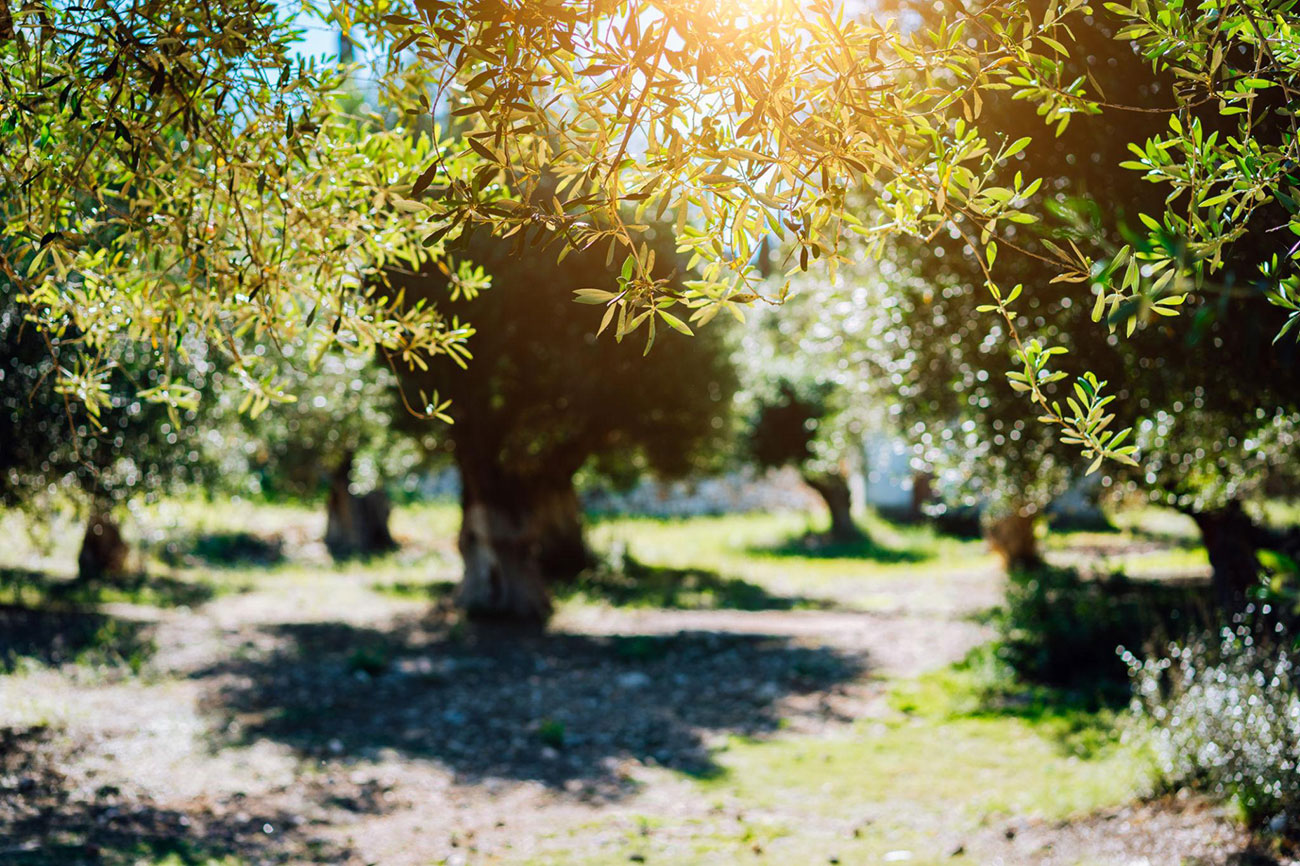
Επιλογές Συσκευασίας και Ιδιωτικής Ετικέτας για Χονδρικούς Αγοραστές
Η συσκευασία είναι συχνά εκείνο που κρίνει αν μια παρτίδα ελιών θα λειτουργήσει εμπορικά ή θα μείνει στο ράφι. Ένας έμπειρος παραγωγός χονδρικής προσφέρει ευελιξία σε όλο το φάσμα, από bulk για περαιτέρω επεξεργασία μέχρι τελικά καταναλωτικά formats.
Bulk συσκευασίες (foodservice & μετασυσκευαστές):
- Πλαστικά βαρέλια HDPE 60kg, 120kg, 220kg σε άλμη ή ελαιόλαδο
- Bag-in-box 5-20kg για εστίαση
- IBC containers για μεγαλύτερες ποσότητες
Καταναλωτικές συσκευασίες:
- Γυάλινα βάζα από 150g έως 1kg, με twist-off ή vacuum καπάκι
- Doypacks (stand-up pouches) με εσωτερική επένδυση, ιδανικά για snack market
- PET δοχεία διαφανή για ορατότητα προϊόντος
- Vacuum packs σε εύκαμπτο φιλμ
- Μεταλλικά κουτιά για premium gift-positioning
Η ιδιωτική ετικέτα (private label) είναι ίσως η πιο δυναμική κατηγορία της αγοράς. Σύμφωνα με τη Nielsen, τα προϊόντα ιδιωτικής ετικέτας στην Ευρώπη ξεπέρασαν το 38% του τζίρου σε FMCG το 2025, και οι ελιές δεν αποτελούν εξαίρεση. Ως παραγωγός, μπορούμε να σχεδιάσουμε ολοκληρωμένες λύσεις για την μάρκα του αγοραστή: από την επιλογή ποικιλίας και marinade, μέχρι το artwork, τους κωδικούς EAN και τη συμμόρφωση με την τοπική νομοθεσία ετικετών (FDA, EU 1169/2011, FSANZ).
Ελάχιστες ποσότητες παραγγελίας για ιδιωτική ετικέτα συνήθως ξεκινούν από 3.000-5.000 μονάδες ανά SKU.
Logistics, Μεταφορά και Διαχείριση Διεθνών Παραγγελιών
Η ελιά είναι, ευτυχώς, ένα σχετικά «ήσυχο» προϊόν στη μεταφορά: σταθερή θερμοκρασία περιβάλλοντος αρκεί, δεν απαιτείται ψύξη για τις περισσότερες κατηγορίες, και η διάρκεια ζωής φτάνει τους 18-24 μήνες. Αυτό το καθιστά ιδανικό για μακρινές εξαγωγές.
Οι κύριες επιλογές αποστολής από την Ελλάδα:
- FCL (Full Container Load): 20’ποδα containers χωρούν περίπου 18-20 τόνους ελιών σε γυάλινες συσκευασίες ή έως 24 τόνους σε bulk. Πιο οικονομική επιλογή ανά μονάδα.
- LCL (Less than Container Load): Για μικρότερες παραγγελίες, συνήθως κάτω από 5 παλέτες.
- Οδικές μεταφορές εντός ΕΕ: 24-72 ώρες για τα περισσότερα ευρωπαϊκά κέντρα.
- Air freight: Σπάνια, μόνο για δείγματα ή επείγουσες παραδόσεις.
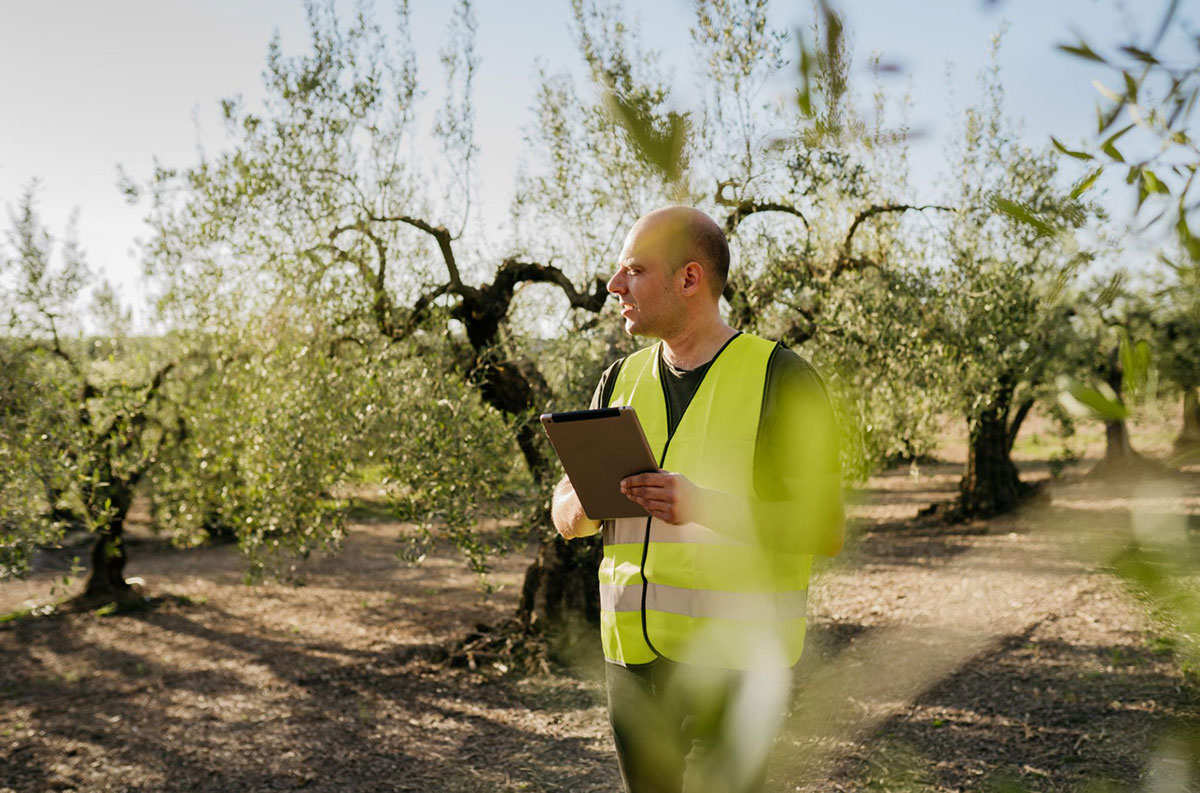
Οι κύριοι λιμένες εξαγωγής είναι ο Πειραιάς και η Θεσσαλονίκη, με τακτικές γραμμές προς Νέα Υόρκη, Λος Άντζελες, Σιγκαπούρη, Ντουμπάι, Σίδνεϊ και όλα τα μεγάλα ευρωπαϊκά λιμάνια.
Οι όροι Incoterms 2020 που χρησιμοποιούμε συχνότερα είναι FCA, FOB, CFR, CIF και DAP. Η επιλογή εξαρτάται από την εμπειρία του αγοραστή στην εισαγωγή και τη φορολογική του στρατηγική. Για νέους εισαγωγείς, συστήνουμε CIF, μειώνει την πολυπλοκότητα και τους κρυφούς κινδύνους.
Η τεκμηρίωση εξαγωγής (Health Certificate, Certificate of Origin, EUR.1, Phytosanitary όπου απαιτείται, Bill of Lading) ετοιμάζεται από εμάς και αποστέλλεται ηλεκτρονικά πριν τον κατάπλου.
Τιμολόγηση Χονδρικής και Όροι Εμπορικών Συμφωνιών
Η τιμολόγηση των ελιών χονδρικής επηρεάζεται από αρκετούς παράγοντες: ποικιλία, μέγεθος καρπού, τύπος επεξεργασίας (φυσική ωρίμανση, άλμη, λακτική ζύμωση), συσκευασία, πιστοποιήσεις και φυσικά τη σοδειά της χρονιάς. Στο 2026, μετά από δύο χρονιές μειωμένης παραγωγής σε Ισπανία και Ιταλία, οι ελληνικές τιμές κινούνται ανοδικά αλλά παραμένουν ανταγωνιστικές για την ποιότητα που προσφέρουν.
Ενδεικτικά εύρη τιμών χονδρικής FOB Πειραιάς (2026):
| Ποικιλία | Συσκευασία | Τιμή ($/kg) |
|---|---|---|
| Καλαμών ΠΟΠ | Bulk άλμη 10kg | 3,80 – 5,20 |
| Πράσινες Χαλκιδικής | Bulk 10kg | 3,20 – 4,50 |
| Καλαμών βιολογική | Γυάλινο 350g | 2,40 – 3,10/μονάδα |
| Θρούμπες Θάσου | Vacuum 200g | 2,80 – 3,60/μονάδα |
Όροι πληρωμής που εφαρμόζονται στη διεθνή αγορά:
- 30% προκαταβολή / 70% πριν τη φόρτωση: Standard για νέους πελάτες.
- L/C at sight: Για μεγάλες παραγγελίες ή αγορές με τραπεζικούς περιορισμούς.
- Open account 30-60 ημέρες: Μόνο για καθιερωμένους συνεργάτες, συχνά με κάλυψη πιστωτικής ασφάλισης.
- CAD (Cash Against Documents): Ενδιάμεση λύση.
Για μακροχρόνιες συμφωνίες, προτείνουμε ετήσια συμβόλαια με προσυμφωνημένες ποσότητες και μηχανισμό αναπροσαρμογής τιμής βάσει δείκτη σοδειάς. Έτσι προστατεύονται και τα δύο μέρη από ακραίες διακυμάνσεις.
Αγορές-Στόχοι και Τάσεις Ζήτησης για Ελληνικές Ελιές το 2026
Ο παγκόσμιος χάρτης ζήτησης για ελληνικές ελιές μετασχηματίζεται. Οι παραδοσιακές αγορές παραμένουν ισχυρές, αλλά νέες περιοχές εμφανίζουν εκρηκτικούς ρυθμούς ανάπτυξης.
Ώριμες αγορές με σταθερή ζήτηση:
- Γερμανία: Ο μεγαλύτερος ευρωπαίος εισαγωγέας ελληνικών ελιών. Ισχυρή προτίμηση σε βιολογικά προϊόντα και ΠΟΠ.
- ΗΠΑ: Ταχεία ανάπτυξη του premium segment. Τα Mediterranean diet trends και η αύξηση των ελληνικών εστιατορίων ωθούν τη ζήτηση.
- Ηνωμένο Βασίλειο: Παρά το Brexit, παραμένει top-5 αγορά. Έντονη παρουσία σε retail private label.
- Καναδάς, Αυστραλία, Σκανδιναβία: Σταθερές αγορές με υψηλή αγοραστική δύναμη.
Αναδυόμενες αγορές με υψηλό growth potential:
- Νότια Κορέα και Ιαπωνία: Η ζήτηση αυξήθηκε πάνω από 22% το 2025. Οι Καλαμών και οι μικρές πράσινες έχουν ιδιαίτερη απήχηση.
- Ηνωμένα Αραβικά Εμιράτα και Σαουδική Αραβία: Ραγδαία ανάπτυξη της HORECA, με Ντουμπάι ως διανομευτικό κέντρο.
- Βραζιλία και Μεξικό: Αναδυόμενη μεσαία τάξη με αυξανόμενο ενδιαφέρον για Mediterranean cuisine.
Καταναλωτικές τάσεις που πρέπει να παρακολουθείτε:
- Ζήτηση για χαμηλό αλάτι (reduced sodium): +18% σε ετήσια βάση.
- Functional foods: Ελιές με tagline υψηλών πολυφαινολών.
- Snackable formats: Ατομικές μερίδες 30-50g για on-the-go κατανάλωση.
- Plant-based και vegan: Η ελιά τοποθετείται φυσικά σε αυτή την αφήγηση.
- Sustainability storytelling: QR codes που οδηγούν στην ιστορία του ελαιώνα.
Πώς να Ξεκινήσετε μια Μακροχρόνια Συνεργασία Εξαγωγών
Μια καλή συνεργασία στις ελιές χονδρική εξαγωγές δεν χτίζεται με ένα email. Είναι μια διαδικασία που, όταν γίνει σωστά, μπορεί να διαρκέσει δεκαετίες και να εξελιχθεί σε στρατηγικό πλεονέκτημα και για τα δύο μέρη.
Από την εμπειρία μας, τα βήματα που οδηγούν σε επιτυχημένες σχέσεις είναι τα εξής:
- Αρχική επικοινωνία και brief: Ο αγοραστής μοιράζεται την αγορά-στόχο, τις ποσότητες, τα κανάλια διανομής και τις προδιαγραφές που έχει υπόψη. Όσο πιο συγκεκριμένος, τόσο καλύτερα.
- Αποστολή δειγμάτων: Συνήθως 3-5 παραλλαγές ποικιλιών και επεξεργασιών. Κρατήστε τα δείγματα για 2-3 εβδομάδες και δοκιμάστε τα σε διαφορετικές συνθήκες (θερμοκρασία, με φαγητό, σε κοκτέιλ).
- Επίσκεψη στον ελαιώνα: Όχι υποχρεωτικό, αλλά εξαιρετικά πολύτιμο. Δείτε τη συγκομιδή, το συσκευαστήριο, τις εγκαταστάσεις αποθήκευσης. Μια ημέρα στον ελαιώνα λέει περισσότερα από δέκα τηλεδιασκέψεις.
- Pilot παραγγελία: Μια μικρή πρώτη φόρτωση (μία παλέτα ή μισό container) για να δοκιμαστούν logistics, τεκμηρίωση και αντίδραση αγοράς.
- Ετήσιο συμβόλαιο: Μετά τη θετική αξιολόγηση του pilot, υπογράφεται συμφωνία με συμφωνημένες ποσότητες, τιμές και χρονοδιαγράμματα.
- Συνεχής επικοινωνία: Τριμηνιαία reviews, ενημερώσεις για τη νέα σοδειά, προειδοποιήσεις για διακυμάνσεις τιμών.
Στην Elaia Gaia Olives έχουμε σχεδιάσει αυτή τη διαδρομή ώστε να είναι όσο πιο διάφανη γίνεται. Από την πρώτη επαφή μέχρι την υπογραφή πολυετούς συμβολαίου, ο αγοραστής έχει έναν συγκεκριμένο account manager, πρόσβαση σε real-time στοιχεία αποθέματος και τη δυνατότητα να επισκεφθεί τους ελαιώνες μας στην Πελοπόννησο οποιαδήποτε στιγμή.
Συμπέρασμα και Επόμενα Βήματα
Οι ελληνικές ελιές δεν είναι απλώς ένα προϊόν στο ράφι· είναι μια αφήγηση γεύσης, παράδοσης και αυθεντικότητας που ο σύγχρονος καταναλωτής αναζητά ενεργά. Για αγοραστές χονδρικής, η συνεργασία απευθείας με Έλληνα παραγωγό προσφέρει καλύτερες τιμές, πλήρη ιχνηλασιμότητα και ευελιξία σε συσκευασία και ιδιωτική ετικέτα.
Το 2026 είναι μια χρονιά ευκαιριών: η παγκόσμια ζήτηση αυξάνεται, τα Mediterranean trends ενισχύονται και νέες αγορές ανοίγουν. Ο σωστός παραγωγός-συνεργάτης θα κάνει τη διαφορά. Αν θέλετε να συζητήσουμε τις ανάγκες σας, να λάβετε δείγματα ή να επισκεφθείτε τους ελαιώνες μας, επικοινωνήστε μαζί μας, και ας ξεκινήσουμε κάτι που θα διαρκέσει.
Κύρια σημεία
- Η Ελλάδα παράγει το 65% των επιτραπέζιων ελιών υψηλής κατηγορίας παγκοσμίως, χάρη στο ξεχωριστό terroir και τις παραδοσιακές μεθόδους καλλιέργειας που προστατεύουν την ποιότητα.
- Η απευθείας συνεργασία με τον παραγωγό ελιών χονδρική εξαγωγές μειώνει το κόστος κατά 15-25% και παρέχει πλήρη ιχνηλασιμότητα, προσαρμογή προδιαγραφών και σταθερότητα προμήθειας.
- Οι κύριες ποικιλίες για χονδρική αγορά είναι η Καλαμών ΠΟΠ, οι Πράσινες Χαλκιδικής, η Θρούμπα Θάσου και η Αμφίσσης, καθεμία με διαφορετικό προφίλ γεύσης και εμπορικές εφαρμογές.
- Πιστοποιήσεις όπως IFS Food, ISO 22000, EU Organic και ΠΟΠ είναι υποχρεωτικές για τις διεθνείς αγορές, ιδιαίτερα για premium κανάλια και μεγάλες αλυσίδες λιανικής.
- Η ιδιωτική ετικέτα (private label) αποτελεί το πιο δυναμικό τμήμα της αγοράς, με ελάχιστες παραγγελίες που ξεκινούν από 3.000-5.000 μονάδες ανά SKU.
- Νέες αγορές όπως Νότια Κορέα, Ιαπωνία, ΗΑΕ και Βραζιλία παρουσιάζουν εκρηκτικούς ρυθμούς ανάπτυξης, ενώ τάσεις όπως χαμηλό αλάτι, functional foods και snackable formats καθοδηγούν τη ζήτηση.
Συχνές Ερωτήσεις
Ποια είναι η πιο διάσημη ελληνική ελιά για χονδρική εξαγωγή;
Η Καλαμών ΠΟΠ είναι αναμφισβήτητα η πιο διάσημη και ζητούμενη ποικιλία παγκοσμίως. Με τη χαρακτηριστική φρουτώδη γεύση και βαθύ μωβ-μαύρο χρώμα, είναι η πρώτη επιλογή για delicatessen, ξενοδοχειακή χρήση και προϊόντα ιδιωτικής ετικέτας υψηλής ποιότητας.
Τι πλεονεκτήματα έχει η απευθείας συνεργασία με παραγωγό ελιών;
Η απευθείας συνεργασία προσφέρει 15-25% χαμηλότερες τιμές, πλήρη ιχνηλασιμότητα μέχρι το συγκεκριμένο αγροτεμάχιο, δυνατότητα προσαρμογής γεύσης και συσκευασίας, και σταθερότητα προμήθειας σε χρονιές χαμηλής σοδειάς.
Ποιες πιστοποιήσεις πρέπει να ζητώ από έναν εξαγωγέα ελιών;
Οι βασικές πιστοποιήσεις που απαιτούνται είναι: IFS Food/BRCGS, ISO 22000 & HACCP, Οργανική πιστοποίηση (EU/USDA/JAS), ΠΟΠ/ΠΓΕ για ορισμένες ποικιλίες, και Sedex/SMETA για κοινωνικό έλεγχο. Για συγκεκριμένες αγορές μπορεί να χρειάζονται Kosher ή Halal πιστοποιήσεις.
Ποιες είναι οι κύριες τάσεις ζήτησης για ελληνικές ελιές το 2026;
Οι κύριες τάσεις περιλαμβάνουν: ζήτηση για χαμηλό αλάτι (αύξηση +18%), snackable formats για on-the-go κατανάλωση, λειτουργικά τρόφιμα με υψηλές πολυφαινόλες, plant-based positioning, και sustainability storytelling με QR codes που συνδέουν το προϊόν με τον ελαιώνα.
Ποια είναι η ενδεικτική τιμή χονδρικής FOB Πειραιάς για ελιές Καλαμών το 2026;
Για Καλαμών ΠΟΠ σε bulk άλμη 10kg, η ενδεικτική τιμή κυμαίνεται μεταξύ 3,80-5,20 $/kg. Η τιμολόγηση επηρεάζεται από την ποικιλία, μέγεθος καρπού, τύπο επεξεργασίας, συσκευασία και πιστοποιήσεις, καθώς και τη σοδειά της χρονιάς.
Ποιες είναι οι αναδυόμενες αγορές για ελληνικές ελιές;
Οι αναδυόμενες αγορές με υψηλό δυναμικό είναι: Νότια Κορέα και Ιαπωνία (αύξηση +22% το 2025), ΗΑΕ και Σαουδική Αραβία λόγω ανάπτυξης HORECA, και Βραζιλία-Μεξικό όπου η αναδυόμενη μεσαία τάξη ενδιαφέρεται για Mediterranean cuisine.